
Audits & planning
How to Lower Your Energy Bill: No-Cost, Low-Cost and Big Upgrades
Ways to lower your energy bill, ranked from free habit changes to low-cost fixes and big upgrades, with official savings figures and where to find help.
Topics
Gas bills use therms or CCF, electric bills use kWh, and propane and oil come in gallons. Enter any amount to see the same energy in every unit.
Updated · Free, private: nothing you type leaves your browser.
Your results
100 therms holds the same energy as 2,931 kWh, 10,000,000 BTU or 109.35 gallons of propane.
Estimate only. Uses the assumptions explained below.
Home energy comes in confusing units. Your gas bill shows therms or CCF, your electric bill shows kilowatt-hours, and propane and heating oil are sold by the gallon. This therms to kWh converter turns any of them into all the others, so you can see how much energy you are really buying.
Every unit is converted to BTU (British thermal units) first, then from BTU to each other unit.
BTU          = amount × BTU per unit
Other unit   = BTU ÷ BTU per that unit
The BTU values come from the U.S. Energy Information Administration (EIA):
| Unit | BTU per unit | Equals in kWh | Equals in therms |
|---|---|---|---|
| 1 kWh | 3,412 | 1 | 0.03 |
| 1 therm | 100,000 | 29.31 | 1 |
| 1 CCF of natural gas | 103,700 | 30.39 | 1.04 |
| 1 MMBtu | 1,000,000 | 293.08 | 10.00 |
| 1 gallon of propane | 91,452 | 26.80 | 0.91 |
| 1 gallon of heating oil | 137,381 | 40.26 | 1.37 |
The kWh, therm and propane factors appear in EIA’s units and calculators table. The CCF value uses EIA’s 2025 US average heat content of natural gas delivered to customers, about 1,037 BTU per cubic foot (EIA FAQ). The heating oil value, 137,381 BTU per gallon, is EIA’s factor for ultra-low-sulfur distillate fuel. EIA’s general table lists heating oil at 138,500 BTU, less than 1 percent higher.
The default input is 100 therms of natural gas.
Your gas bill shows 80 CCF for the month. The converter shows that is 82.96 therms, 8,296,000 BTU and 2,431.42 kWh of energy. If your utility prints a therm factor on the bill, multiply your CCF by that factor for a more exact local figure.
For a propane home, a 500-gallon fill holds 45,726,000 BTU: the same energy as 457.26 therms of natural gas, 13,401.52 kWh of electricity, or 332.84 gallons of heating oil.
The converter tells you how much energy is in an amount of fuel. It does not tell you how much useful heat you get, because every appliance wastes some energy, and heat pumps move more heat than the electricity they use.
For example, 100 therms of gas is 2,930.83 kWh of energy. A gas furnace that is 90 percent efficient turns about 90 percent of it into heat in your home. Electric resistance heat turns about 100 percent of electricity into heat. A heat pump moves heat rather than making it, so it can deliver more heat than the electricity it uses; how much depends on its rating and the weather. So the kWh you would actually buy to replace 100 therms depends on the equipment.
To compare the real cost of heat from each fuel, use the heating cost comparison calculator. If you heat with propane or oil and wonder whether a heat pump works where you live, see our cold-climate heat pump guide. To estimate savings from switching to a heat pump, try the heat pump savings calculator, and read our heat pump cost and savings guide.
Local gas quality. Natural gas heat content varies by location and over time. EIA notes its factors are recalculated each year. Utilities convert your CCF into therms using a local factor, often printed on the bill.
Heating oil type. Higher-sulfur heating oil has slightly more energy per gallon than ultra-low-sulfur fuel. The difference is small, under 1 percent between EIA’s two listed values.
Propane and oil deliveries. Convert the gallons actually delivered, as shown on your delivery ticket, not the size of the tank.
Prices. EIA’s Heating Oil and Propane Update reported average residential prices of about $2.64 per gallon for propane and $6.14 per gallon for heating oil for the week of October 12, 2026. Your local price may differ.
The converter uses fixed national average heat contents. It does not account for your utility’s local therm factor, seasonal changes in gas quality, fuel blends, or appliance efficiency. Results are rounded for display.
It gives an educational estimate, not a billing calculation or advice. For bill math with your rates, see the electric bill calculator, and for ways to use less of any fuel, our guide on how to lower your energy bill.
One therm is 100,000 BTU, and one kWh is 3,412 BTU, so a therm holds about 29.31 kWh of energy. 100 therms equals about 2,930.83 kWh. This is a straight energy conversion. It does not mean an electric appliance would use that many kWh to do the same job, because gas and electric equipment have different efficiencies.
A CCF is a volume: 100 cubic feet of natural gas. A therm is an energy amount: 100,000 BTU. EIA says natural gas delivered to US customers averaged about 1,037 BTU per cubic foot in 2025, so 1 CCF is about 103,700 BTU, or 1.037 therms. Your utility may show a therm factor on your bill that converts its CCF to therms for your local gas.
EIA lists propane at 91,452 BTU per gallon. That is about 26.80 kWh or 0.91 therms per gallon. So 500 gallons of propane holds about 45.7 million BTU, the same energy as about 457 therms of natural gas or about 333 gallons of heating oil. Because a gallon of propane holds less energy than a gallon of oil, compare prices per MMBtu or per therm, not per gallon.
This converter uses 137,381 BTU per gallon, EIA's figure for distillate fuel such as diesel and ultra-low-sulfur heating oil. EIA's general table lists heating oil at 138,500 BTU per gallon. The difference is under 1 percent. At 137,381 BTU, one gallon equals about 40.26 kWh, 1.37 therms or 1.50 gallons of propane.
MMBtu means one million BTU. One MMBtu equals 10 therms, about 293 kWh, about 9.64 CCF of natural gas, about 10.93 gallons of propane or about 7.28 gallons of heating oil. Energy analysts often compare fuel prices per MMBtu because it puts gas, oil, propane and electricity on the same footing. EIA explains how to convert gas prices between dollars per CCF, therm and MMBtu.
It is the first step. To compare the cost of heat, you also need each fuel's price and the efficiency of the equipment that burns it. A 95 percent efficient furnace, an 80 percent oil boiler and a heat pump with a seasonal efficiency of 3 deliver very different amounts of useful heat from the same energy. Our heating cost comparison calculator does that math.
This calculator gives educational estimates, not quotes, tax advice or an eligibility decision. Results depend on the inputs and assumptions shown above. How we research
Ways to lower your energy bill, ranked from free habit changes to low-cost fixes and big upgrades, with official savings figures and where to find help.
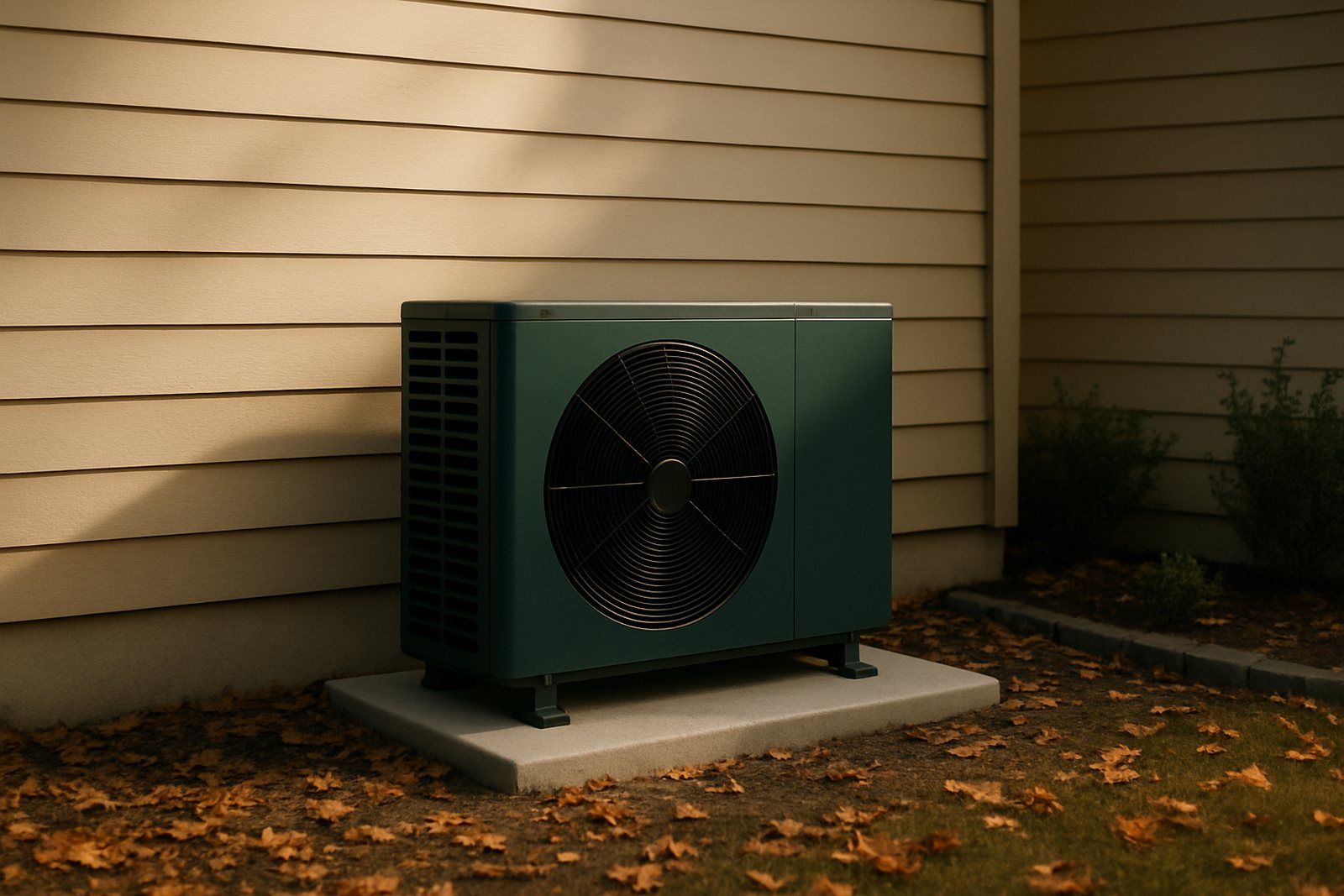
What a heat pump costs to run in 2026, how much it can save versus a furnace, AC or baseboard heat, how to read SEER2 and HSPF2, and what help is left.